Microalgae cultivation
Photobioreactors with multi-wavelength LED illumination — using the light spectrum as a process lever on growth and biochemical composition, with optional airlift mixing for gentle, uniform cultivation.
The challenge
Microalgae convert light and CO₂ into biomass rich in lipids, pigments and polyunsaturated fatty acids — feedstocks for aquafeed, nutraceuticals and bioenergy. But light is both the energy source and the hardest variable to control: cells self-shade as density rises, and different species absorb different wavelengths through their photosynthetic pigments (chlorophylls, carotenoids). Delivering the right spectrum at the right intensity, uniformly, throughout a dense culture is the central engineering problem.
On top of that, many high-value strains are shear-sensitive, so the mixing that keeps cells in the light and CO₂ in solution must stay gentle enough not to damage them.
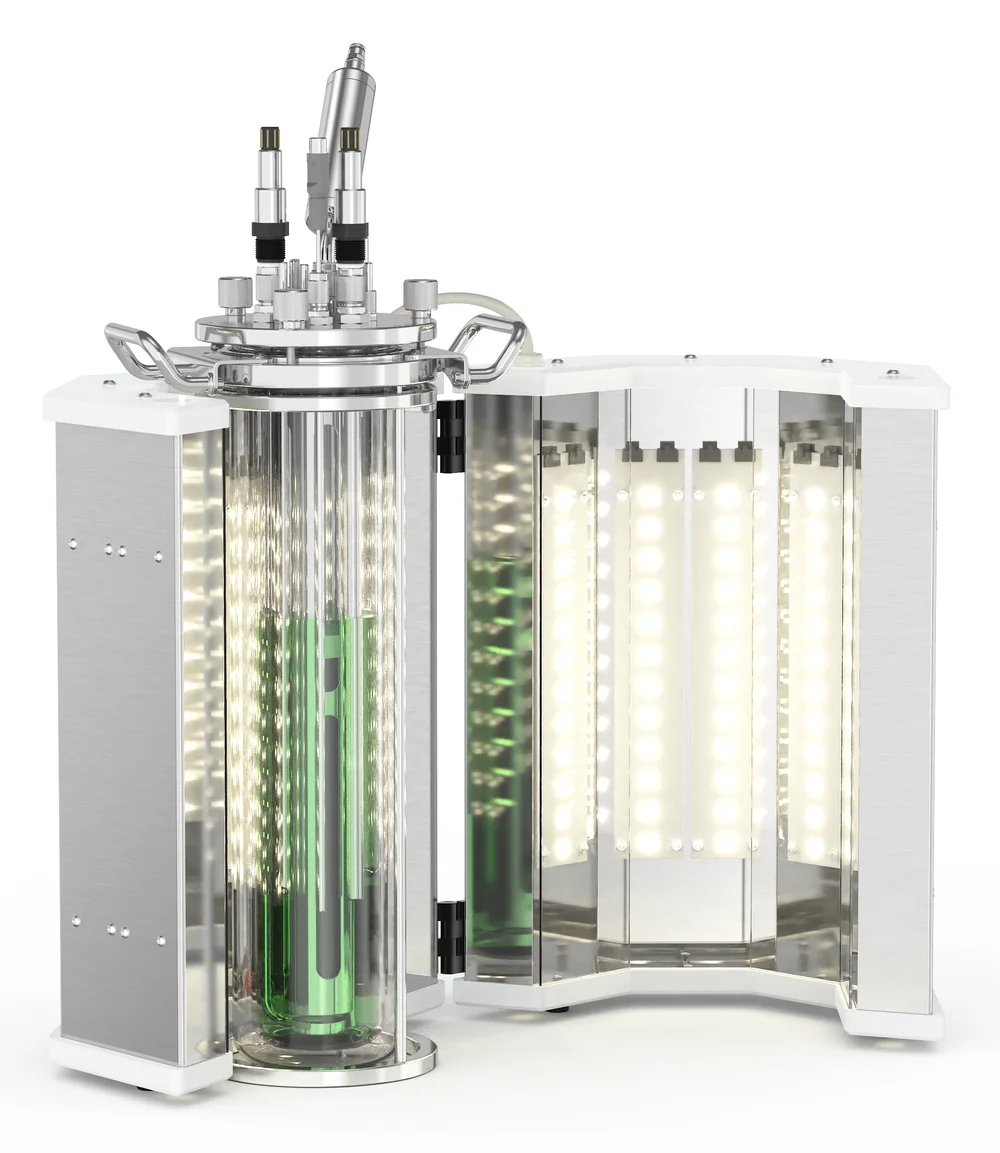
The VINCI technology applied — LED photobioreactor
The reference technology is a photobioreactor with multi-wavelength LED illumination, so the light spectrum becomes a controllable process parameter rather than a fixed condition.
- Tunable spectrum as a process lever. LEDs emit specific, controllable wavelengths that can be matched to a strain's pigment absorption; blue and red bands in particular are widely reported to drive biomass, while spectrum shifts steer cellular composition (lipids, pigments) [1][2].
- High efficiency, low heat. LEDs offer higher energy-conversion efficiency and lower heat dissipation than fluorescent lamps, and integrate flexibly into internal- or external-illumination photobioreactor geometries [2][3].
- Optional airlift mixing. For shear-sensitive strains, an airlift configuration provides gentle, impeller-free circulation that keeps cells cycling between light and dark zones while distributing CO₂ evenly.
- Bioflex™ control. Circadian cycle simulation: light, pH, temperature and CO₂ dosing managed on one automated, auditable platform from lab to pilot.
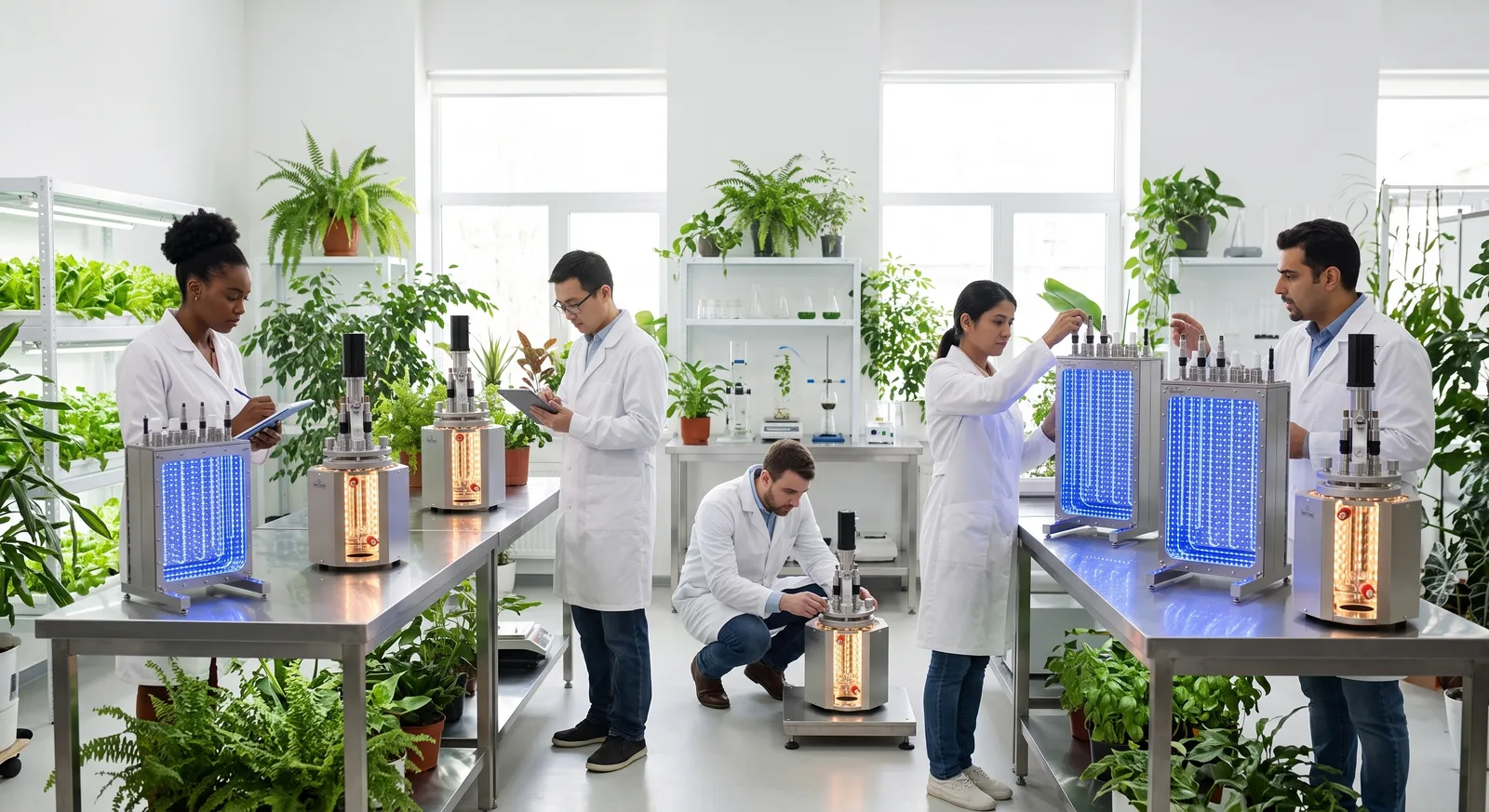
From research to production, one platform
The same parameters and Bioflex™ recipes carry you from bench to industrial scale, reducing transfer risk between stages.
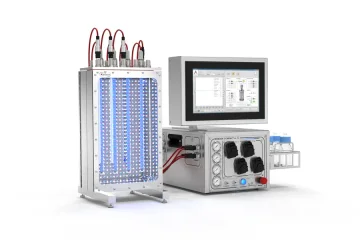
R&D In-Situ Sterilizable Bioreactors & Fermenters
BioSIP series.
See system →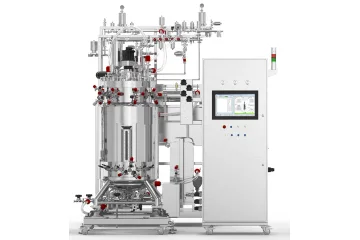
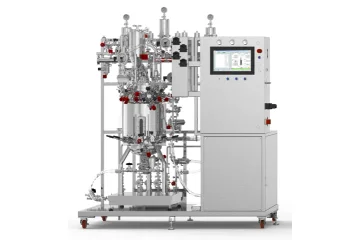
Pilot & Production In-Situ Sterilizable Bioreactors & Fermenters
BioFerm series.
See system →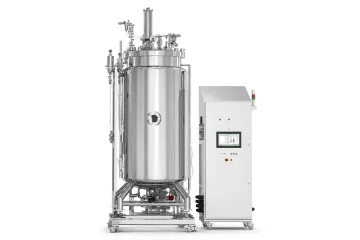
Large-Scale In-Situ Sterilizable Bioreactors & Fermenters
Custom bioreactors.
See system →Performance benchmarks
Figures below are literature benchmarks illustrating the light-spectrum lever — not VINCI or client-owned results.
- Spectrum steers biomass. Light in which the majority of photons fall between ~520–630 nm is reported favourable for microalgal growth, and blue/red wavelengths give the best biomass gains [1].
- Spectrum steers composition. LED wavelength choice measurably shifts biomass and lipid/pigment composition across microalgal species — enabling product-targeted cultivation [2][3].
- Lower energy and heat load. LED illumination reduces energy use and heat compared with conventional fluorescent lamps, improving the photobioreactor energy balance [2][3].
Scientific sources
- Algae Research — LEDs: shining a light on microalgae growth in photobioreactors
- Herald Open Access — LED illumination for enhanced growth and cellular composition in three microalgae
- Effect of different light sources on algal biomass and lipid production in internal LED-illuminated photobioreactor (ResearchGate)
Let’s talk about your process
Tell us about your application: our engineering team replies within 24 hours.